What Is a Fractured or Cracked Tooth?
A fractured or cracked tooth means the tooth has a break or split. Sometimes, the crack is small and hard to see. However, even tiny cracks can cause pain or lead to bigger problems. Dentists call this a dental emergency if the crack is deep or painful. Early diagnosis helps prevent further damage. According to the American Dental Association, cracked teeth are a common dental issue.
Common Symptoms and Warning Signs
Recognizing the signs of a fractured tooth is important. Often, the symptoms are mild at first. But they can get worse over time. Here are some warning signs to watch for:
Sometimes, the pain is hard to locate. Yet, if you notice these signs, you should see a dentist soon.
Causes and Risk Factors
Many things can cause a cracked tooth. For example, biting hard foods or ice can put stress on teeth. In addition, accidents or injuries may lead to fractures. Here are common causes and risk factors:
Because these risks are common, it is important to protect your teeth every day.
How Dentists Diagnose a Fractured or Cracked Tooth
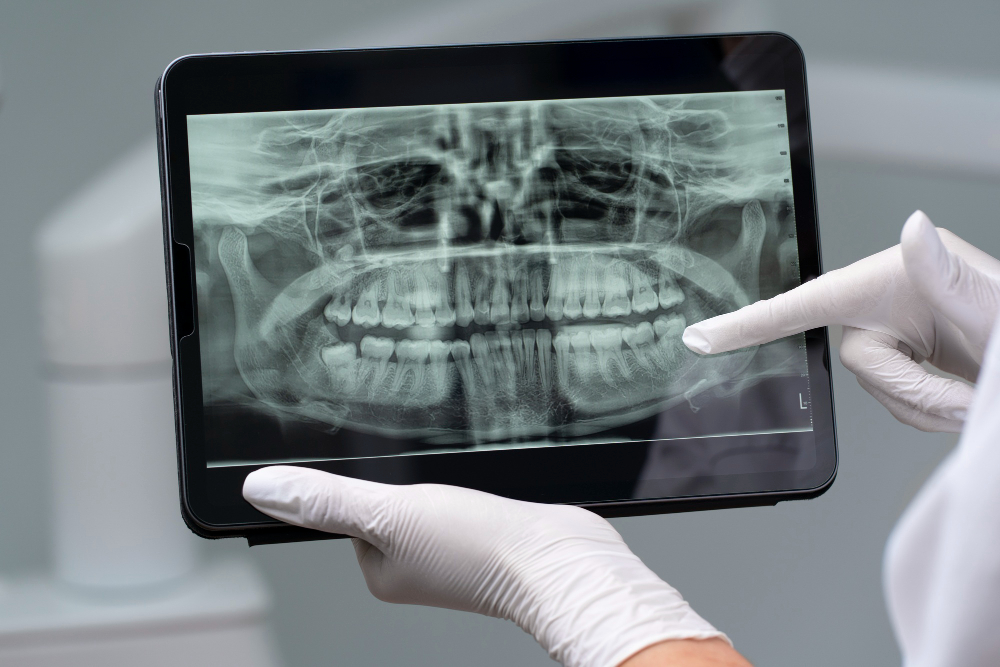
Wondering how to diagnose a cracked tooth? Dentists use several methods to find cracks. First, they ask about your symptoms and medical history. Next, they examine your mouth closely. Here are steps dentists may take during a dental evaluation for cracked teeth:
Sometimes, cracks are too small to see on X-rays. Even so, your dentist can often find the problem through careful testing. According to dental journals, early detection can help save the tooth.
When to See a Dentist
If you notice any signs of a fractured tooth, do not wait. Even minor pain can signal a bigger issue. You should see a dentist right away if you have:
Early treatment can prevent infection or tooth loss. Therefore, prompt dental care is always best.
Prevention Tips and Oral Care Guidance
While not all cracks can be avoided, good habits help protect your teeth. Here are some tips to lower your risk:
Because prevention is key, follow these steps to keep your smile healthy.
Conclusion
In summary, knowing the signs of a fractured or cracked tooth can help you act quickly. Early dental evaluation for cracked teeth is important for your health. If you suspect a cracked tooth, consult a dentist at Smile Avenue Dental Care promptly for professional evaluation and care.