
Introduction
Many people want a straighter smile. But, they often ask, “Are invisible aligners as good as braces?” Both invisible aligners and braces help straighten teeth. However, they work in different ways. This blog will compare invisible aligners vs braces. We will look at how each works, their pros and cons, and which option may be best for you.
How Invisible Aligners Work
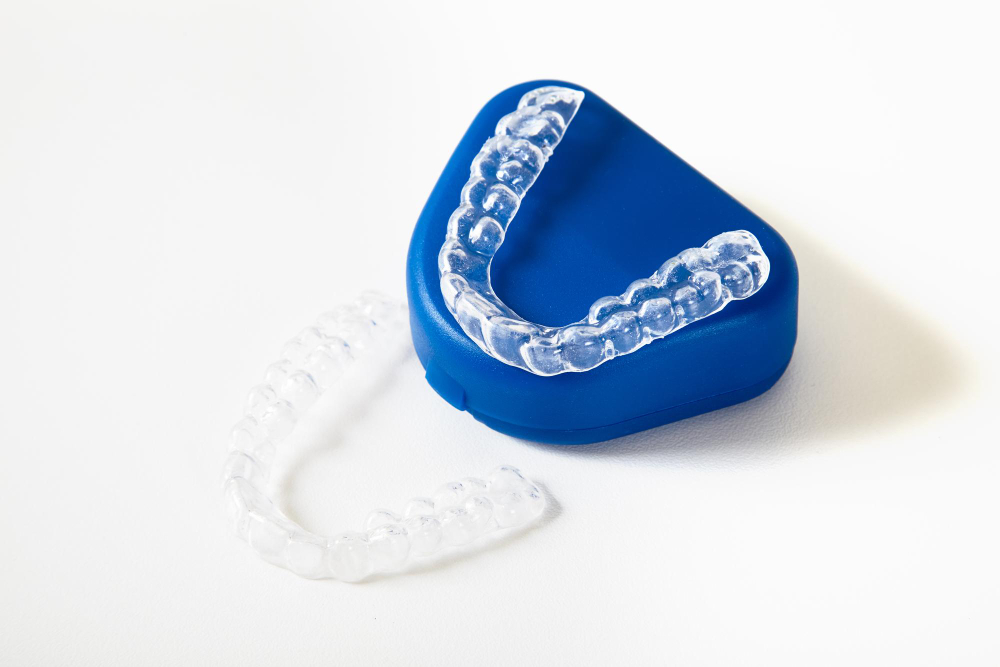
Invisible aligners are clear, plastic trays. You wear them over your teeth. They gently move your teeth into the right position. Usually, you get a new set of aligners every one to two weeks. Each set is slightly different. Over time, your teeth shift to match the trays. Most people wear aligners for 20 to 22 hours a day. You remove them to eat, drink, and brush your teeth.
How Traditional Braces Work
Traditional braces use metal brackets and wires. The dentist glues the brackets to your teeth. Then, they connect the brackets with a wire. The wire puts gentle pressure on your teeth. This moves them into the correct place. Braces stay on your teeth all the time. Your dentist adjusts them every few weeks to keep your teeth moving.
Effectiveness: Aligners vs. Braces
Both invisible aligners and braces can straighten teeth well. But, braces are often better for complex cases. For example, if you have very crooked teeth or a big bite problem, braces may work better. According to the American Dental Association, clear aligners are effective for mild to moderate cases. Yet, braces can treat almost all types of alignment issues. Still, many adults and teens choose aligners for mild or moderate problems.
Pros and Cons of Invisible Aligners
Pros and Cons of Braces
Cost Comparison
Cost is important for many families. In the US, invisible aligners often cost between $3,000 and $7,000. Traditional braces usually cost $2,500 to $7,500. However, prices can vary by location and case complexity. Sometimes, dental insurance covers part of the cost. It is wise to ask your dentist about payment plans or insurance options.
Comfort and Aesthetics
Invisible aligners are smooth and do not have wires. So, they usually cause less mouth pain. Also, they are clear, so most people will not notice them. On the other hand, braces are more visible. Some people feel self-conscious about wearing them. But, braces now come in less noticeable options, like ceramic brackets.
Maintenance and Oral Hygiene
With aligners, you remove them to eat and brush. This makes it easier to keep your teeth clean. However, you must clean the aligners too. With braces, brushing and flossing can be harder. Food can get stuck in the wires and brackets. So, you need to be extra careful with oral hygiene to avoid cavities or gum problems.
Who Should Choose Which?
Choosing between invisible aligners and braces depends on your needs. For mild or moderate teeth problems, aligners may be a good choice. They are also great for adults or teens who want a discreet option. But, if you have severe crowding or bite issues, braces may work better. Your dentist or orthodontist can help you decide. They will look at your teeth and suggest the best teeth straightening option for you.
Summary Table: Key Features Comparison
Conclusion
In summary, both invisible aligners and braces can straighten teeth well. Aligners are best for mild to moderate cases and are less noticeable. Braces are better for complex problems and work for everyone. Each option has pros and cons. So, it is important to talk to a dental specialist before making a choice.
For the best results, consult a dental specialist at Smile Avenue Dental Care for personalized advice. They can help you choose the right orthodontic treatment for your smile.