Introduction
Gum recession is a common dental problem that affects many people. When your gums pull back from your teeth, it can expose the roots. This can lead to tooth sensitivity and even tooth loss if not treated. Because gum health is vital for a healthy mouth, understanding gum recession is important. Early care and good oral hygiene can help prevent serious problems. In this blog, you will learn about the causes, symptoms, diagnosis, and treatment of gum recession. You will also find helpful tips for keeping your gums healthy.
What Is Gum Recession?
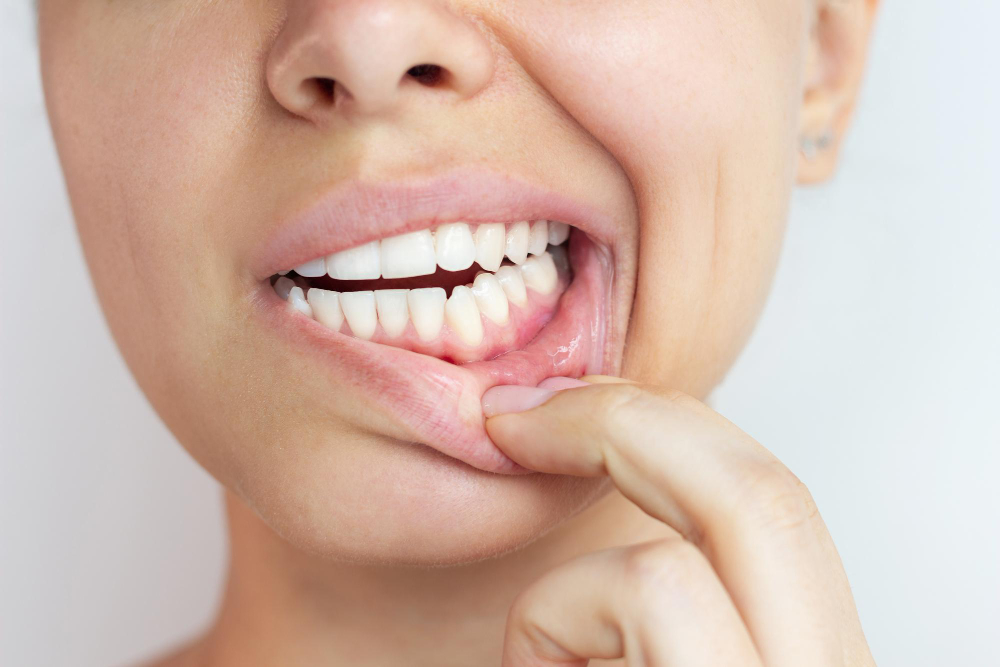
Gum recession happens when the gum tissue around your teeth wears away or pulls back. As a result, more of your tooth or its root becomes visible. This can make your teeth look longer than usual. Sometimes, small gaps form between the teeth and gums, which can trap bacteria. Over time, this may lead to damage of the supporting bone and tissues. Gum recession is a sign of poor gum health and should not be ignored.
Common Symptoms of Gum Recession
It is important to notice the signs of receding gums early. That way, you can seek help before the problem gets worse. Common symptoms include:
If you notice any of these symptoms, you should talk to your dentist soon. Early treatment can help protect your oral health.
Causes and Risk Factors
There are many reasons why gum recession can happen. Some causes are within your control, while others are not. Here are the most common causes and risk factors:
Because many of these factors can be managed, taking steps to improve your oral hygiene can help lower your risk.
How Gum Recession Is Diagnosed
Early diagnosis is key to stopping gum recession from getting worse. Dentists use several methods to check for receding gums. During a dental exam, your dentist will:
With these tools, your dentist can spot gum recession early and suggest the best treatment. Regular dentist consultations are important for gum health.
Treatment Options for Gum Recession
Treatment for gum recession depends on how severe the problem is. Your dentist may suggest one or more of the following:
In some cases, treating the cause, such as quitting smoking or fixing a misaligned bite, can help stop further gum recession. Always follow your dentist’s advice for the best results.
Prevention Tips and Lifestyle Guidance
Preventing gum recession is easier than treating it. You can protect your gums by following these simple tips:
By making these habits part of your daily routine, you can keep your gums healthy and lower your risk of receding gums.
When to See a Dentist
If you notice any signs of gum recession, it is important to see a dentist right away. Early treatment can prevent further damage and protect your teeth. You should also visit your dentist if you have ongoing gum pain, swelling, or bleeding. Remember, regular dentist consultations are key to good gum health. If you are looking for gum recession treatment in your area, ask your local dental clinic for advice.
Conclusion
Gum recession is a serious dental issue, but it can be managed with the right care. By understanding the causes, symptoms, and treatments, you can take steps to protect your gums. For the best results, practice good oral hygiene and see your dentist regularly. Consult a dentist at Smile Avenue Dental Care for personalized advice on gum recession.